












Translate this page
|
CURRICULUM
The Curriculum for Early Years Foundation Stage
| The Early Years Foundation Stage (EYFS) starts at birth and continues until the end of the Reception year-from birth to five. There are four themes of the EYFS which are: | |
|
|
| These themes are used to underpin the learning and development that your child will take part in during their time in the EYFS. | |
Play underpins all development and learning for young children and therefore your child will take part in many indoor and outdoor play experiences that will help them to learn and develop their inquiring mind, while they are having fun! |
|
OUR WORK IS OUR PLAY!!!! |
|
Picture coming soon |
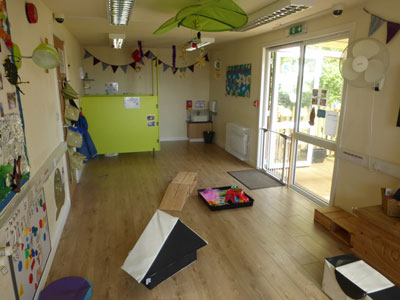 |
Our Sensory Room |
Our Sunflower Room |
 |
|
The Curriculum for Early Years Foundation Stage Children |
|
How my child will be learning The EYFS Framework explains how and what your child will be learning to support their healthy development. Your child will be learning skills, acquiring new knowledge and demonstrating their understanding through 7 areas of learning and development . Children should mostly develop the 3 prime areas first. These are: • Communication and language; • Physical development; and • Personal, social and emotional development. These prime areas are those most essential for your child's healthy development and future learning. As children grow, the prime areas will help them to develop skills in 4 specific areas . These are: • Literacy; • Mathematics; • Understanding the world; and • Expressive arts and design. These 7 areas are used to plan your child's learning and activities. The professionals teaching and supporting your child will make sure that the activities are suited to your child's unique needs. This is a little bit like a curriculum in primary and secondary schools, but it's suitable for very young children, and it's designed to be really flexible so that staff can follow your child's unique needs and interests. Children in the EYFS learn by playing and exploring, being active, and through creative and critical thinking which takes place both indoors and outside. Read the Parents' Guide to the Early Years Foundation Stage Framework by clicking here
|
|
 |
|
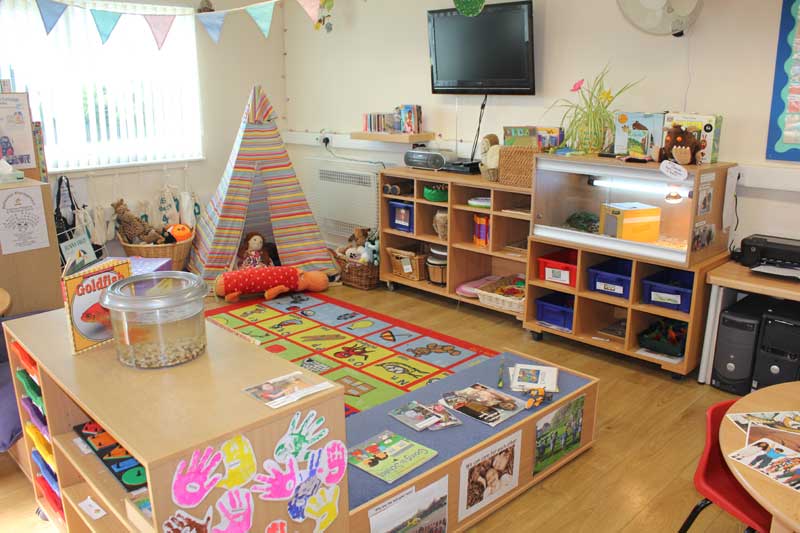 |
Our Reading Area |
home, information, curriculum, local offer, calendar, fees, newsletters, staff, comments, policies, location, contact, forms.